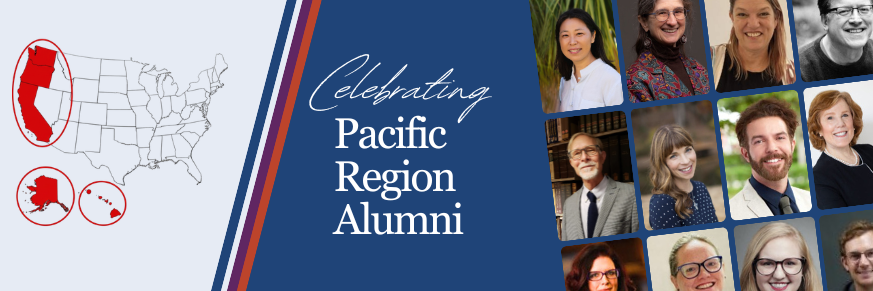
In 2026, English Language Programs proudly joins the nation in Freedom 250—Celebrating the Triumph of the American Spirit—as we honor the 250th anniversary of the founding of the United States. As we approach this historic milestone, we are highlighting the remarkable contributions of our participants and alumni who share America with the world and bring global perspectives back to their home communities.
This month, our focus turns to the Pacific Region—Hawaii, Oregon, Alaska, California, and Washington—an area defined by vibrant coastal cities, pioneering research hubs, and some of the nation’s most influential centers of technology and innovation. Alumni from these states have carried the region’s spirit of creativity, technological innovation, and global connectivity into classrooms, teacher‑training programs, and community initiatives around the world. Their work strengthens English language education abroad while enriching learning communities at home. Together, their stories reflect how the Pacific’s distinctive landscapes and communities help advance U.S. leadership, international collaboration, and educational excellence.
Hawaii Alumni
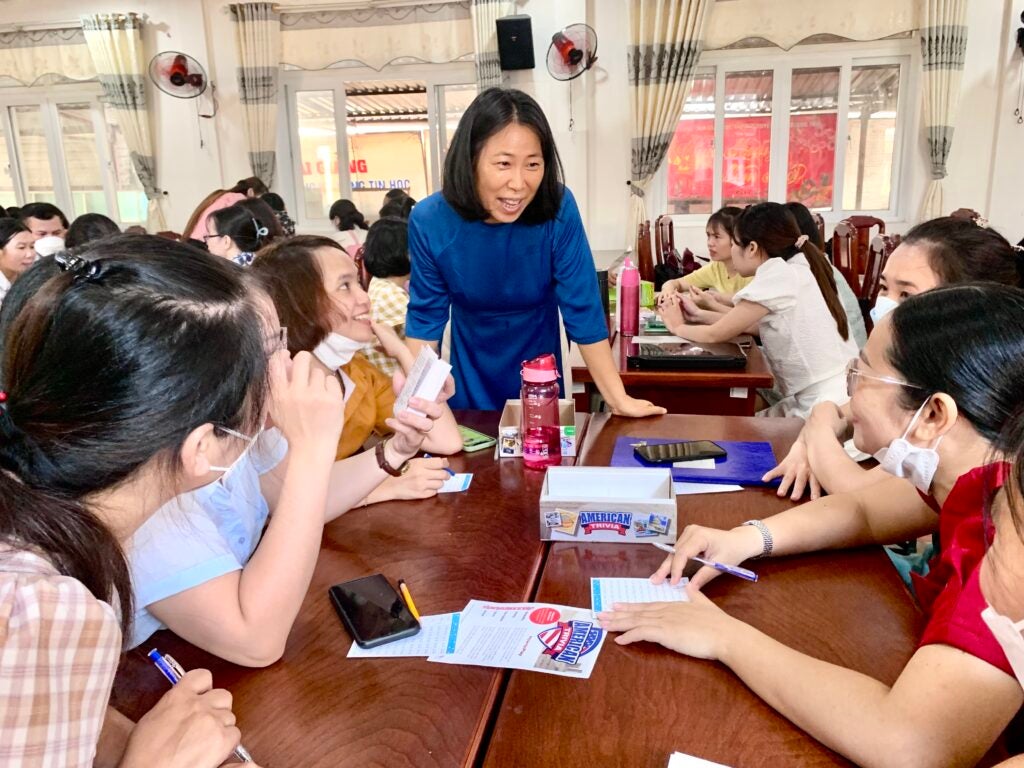
Dongping Zheng (Hawaii) – Dr. Dongping Zheng, an associate professor in the Department of Second Language Studies at the University of Hawai‘i at Mānoa, is a leading expert in distributed and translanguaging‑based approaches to language learning. As an English Language Specialist for Vietnam’s Ministry of Education and Training, she supported a national effort to strengthen K–12 English instruction by guiding teachers in the effective use of Vietnamese (L1) to facilitate English (L2) acquisition. She advised MOET’s expert team, co‑developed a research‑based guide on translanguaging, and delivered training for teacher‑trainers and educators across multiple regions, helping position the United States as a trusted partner in Vietnam’s long-term English language modernization.
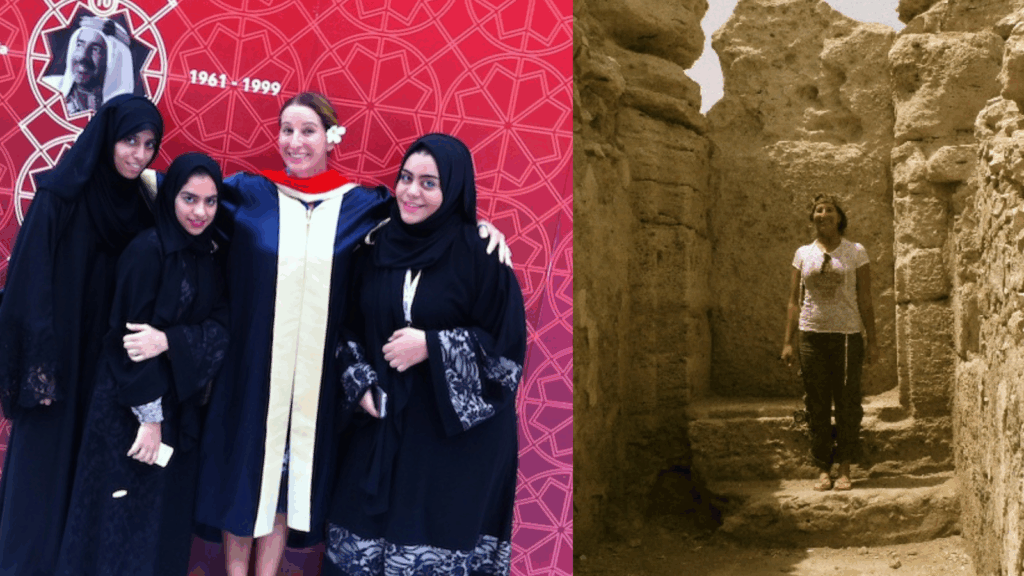
Holly Formolo (Hawaii) – Originally from Hawaii, Holly Formolo is an archaeologist and TESOL educator whose career spans more than a decade of teaching and cultural preservation work across the Middle East, North Africa, Europe, and the United States. She served as an English Language Fellow in Bahrain from 2013 to 2015, teaching at the University of Bahrain’s Teachers College and integrating archaeology and cultural heritage into English instruction to deepen students’ critical‑thinking and cross‑cultural awareness. During her fellowship, she also volunteered with Danish archaeologists and engaged with local communities, strengthening people‑to‑people ties and advancing U.S. public diplomacy. Formolo has since taught at Koç University in Istanbul, the American University of Iraq–Sulaimani, and now serves as a Language Center Lecturer at Al Akhawayn University in Morocco. Her earlier work with the Maui Historical Society and as a park archaeologist at Yosemite reflects her commitment to preserving cultural history and connecting learners to place. Formolo’s blend of archaeology and language teaching fosters global understanding and supports U.S. engagement through education and cultural exchange.
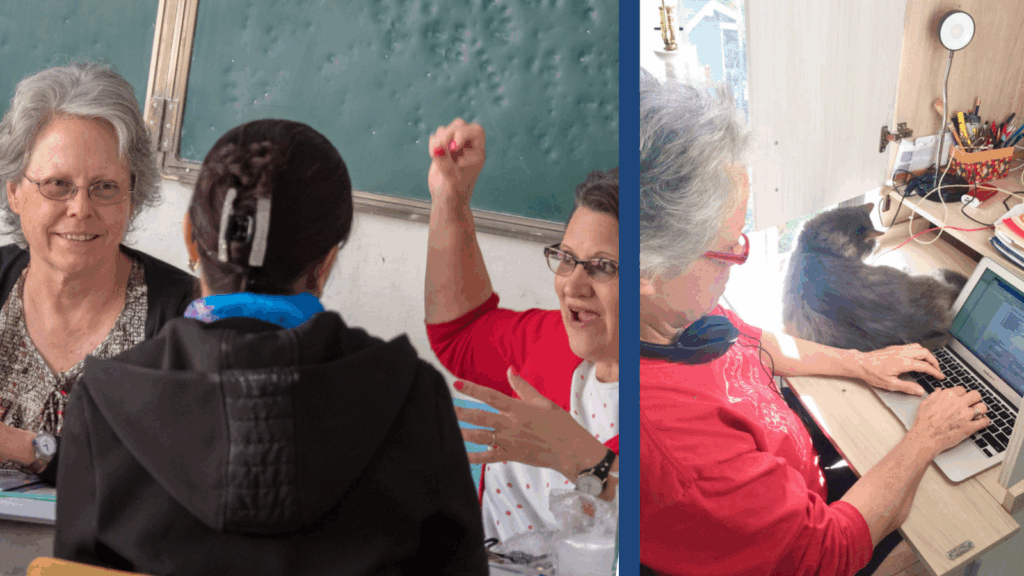
Jane George (Hawaii) – Jane George is a veteran TESOL educator whose career spans adult, K–12, and teacher‑training contexts across the United States and abroad. She earned her MA and Professional Diploma in TESOL, along with certification in Secondary English and ESL, from the University of Hawaii at Mānoa. George began her career teaching adults in Japan, later returning to the United States to teach in low‑incidence K–12 settings in rural Rhode Island. She co‑founded RITELL, Rhode Island’s affiliate of TESOL International, helping strengthen statewide support for multilingual learners and educators. As an English Language Fellow at Tajik State Pedagogical University, she team‑taught with faculty and led professional development for English teachers, contributing to U.S. efforts to expand educational opportunity, strengthen people‑to‑people ties, and support emerging leaders in a region with limited access to global engagement. She later served as an English Language Specialist in Lebanon, delivering workshops that equipped teachers to promote stronger English speaking skills in their classrooms. Across all her roles, Jane’s work has advanced U.S. public diplomacy by improving English teaching capacity and expanding access to high‑quality language education.
Oregon Alumni
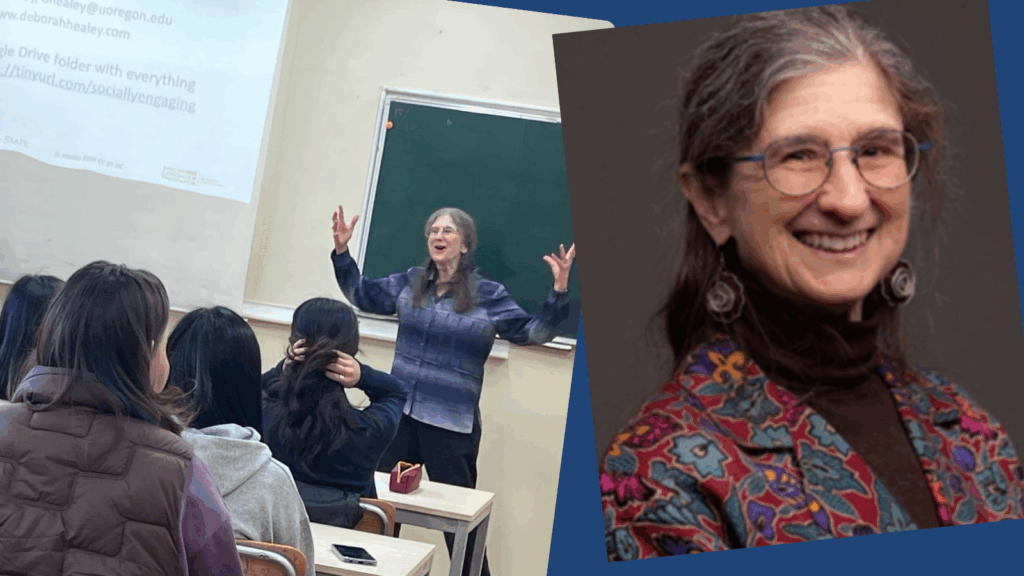
Deborah Healey (Oregon) – Dr. Deborah Healey is a leading expert in technology‑enhanced language teaching and a longtime educator based in Oregon. A former President of the TESOL International Association Board of Directors, she has trained teachers around the world and taught both online and face‑to‑face, drawing on her PhD in Computers in Education and MA in Linguistics from the University of Oregon. Her English Language Specialist work has taken her to countries such as Tunisia, Chile, Oman, and Mongolia, where she has supported teacher development and strengthened English language education systems. Most recently, she served as a Specialist in Mongolia, delivering the keynote address at the National TEFL/TESOL Conference and leading interactive workshops for university faculty, pre‑service and in‑service teachers, and American Corners audiences. Her sessions focused on practical classroom strategies, emerging technologies, and topics such as AI and gamification. Through this work, Healey advanced U.S. goals by building teacher‑training capacity, expanding professional networks, and supporting Mongolia’s efforts to strengthen ties with the U.S.
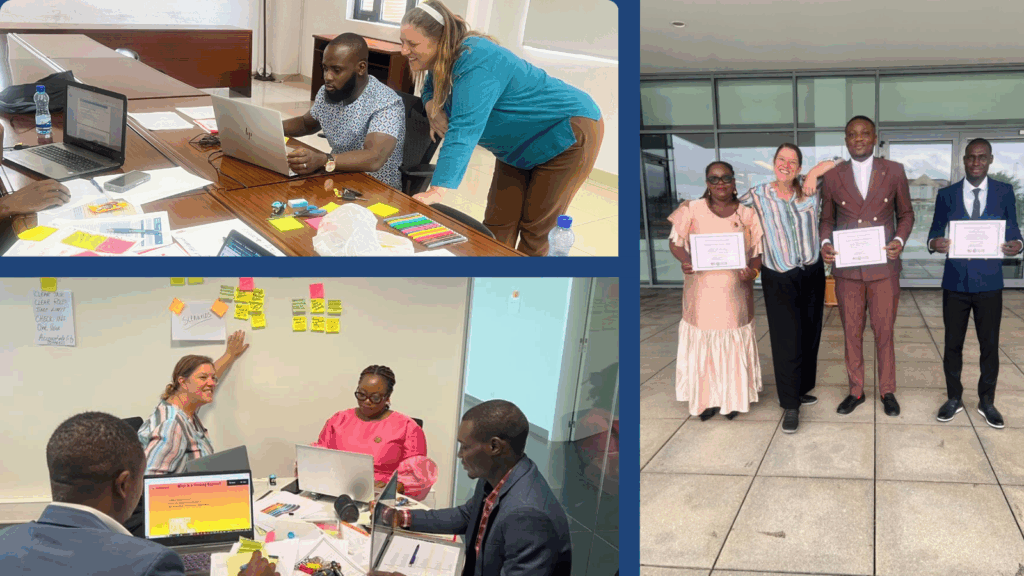
Briana Rogers (Oregon) – Briana Rogers, from Days Creek, Oregon, is an Educational Program Specialist with more than 20 years of international experience in teacher development, digital learning, and curriculum design. She has collaborated with partners such as UNESCO and American Councils to develop ICT‑ and AI‑integrated teacher‑education materials and has led scalable capacity‑building initiatives reaching more than 30,000 educators worldwide. Rogers served as an English Language Fellow in Laos (2017–2019) and has completed Specialist projects in Kuwait, East Timor, Indonesia, and most recently Equatorial Guinea. In Equatorial Guinea, she conducted a multi‑source needs assessment and partnered with faculty at key technological institutes to co‑design flexible, scenario‑based English for Occupational Purposes curricula aligned with real workplace demands in STEM‑related fields, including the energy and mining sectors. Her work directly supported the U.S. Embassy by strengthening technical English capacity, improving assessment systems, and equipping teachers with sustainable tools, including AI‑supported curriculum design. These efforts have helped build a more skilled, globally competitive STEM workforce, expand opportunities for U.S. partnerships, and reinforce long‑term educational and economic ties.
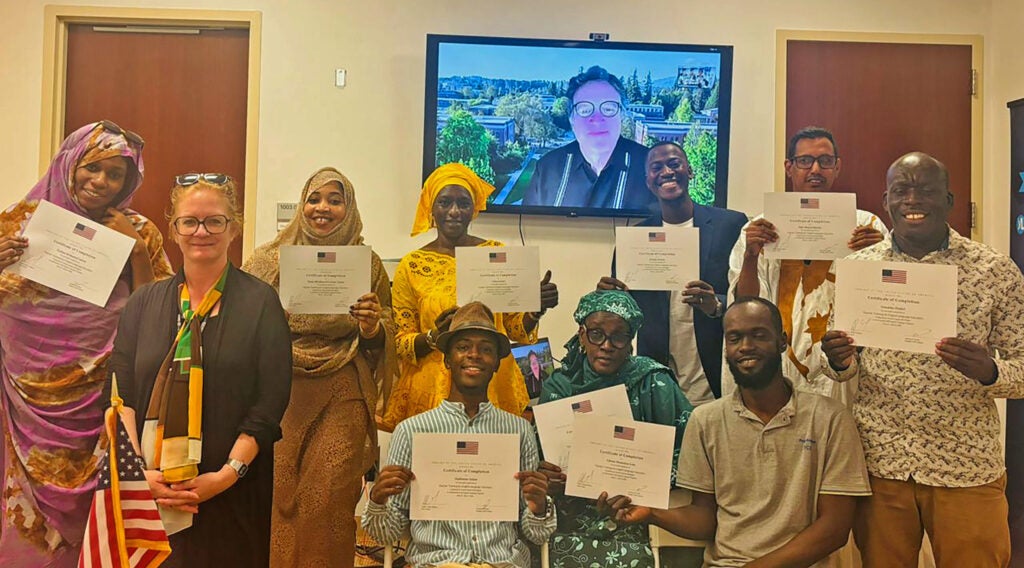
Jeff Magoto (Oregon) – Jeff Magoto, a longtime educator and former director of the Yamada Language Center at the University of Oregon, brought four decades of experience in language teaching, computer-assisted language learning (CALL), and teacher training to his work as a Virtual English Language Educator. Originally from Ohio, he completed graduate studies there before moving to Oregon, where he has lived for 35 years. A former Peace Corps volunteer in Morocco, he began his career teaching in rural high schools before moving to Portugal and later spending more than 25 years at the University of Oregon. In 2024, Magoto worked virtually with secondary teachers in Mauritania, supporting lesson planning, materials development, and assessment to strengthen contemporary English‑teaching practices. In 2025, he collaborated with Tunisia’s Ministry of Education on a virtual project training 40 secondary school supervisors—teacher trainers who, in turn, supported EFL teachers and students at both the primary and secondary levels. His work has advanced U.S. public diplomacy by reinforcing teacher‑training systems, expanding access to high‑quality English instruction, and supporting educational reforms that contribute to stability, economic opportunity, and responsive governance across North Africa.
Alaska Alumni
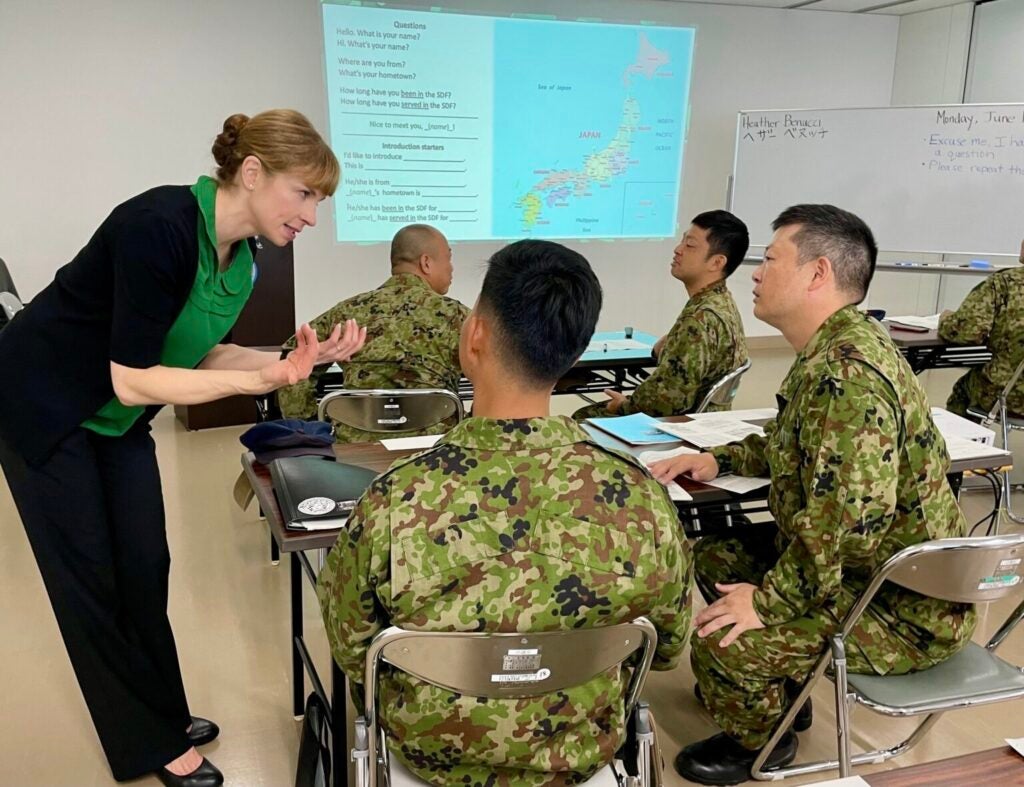
Heather Benucci (Alaska) – Heather Benucci, an Anchorage‑based English Language Specialist, is an experienced teacher educator whose work spans technology‑supported learning, ESP, and global professional development initiatives. A longtime contributor to U.S. Department of State programs, she has served as a core member of the American English Live webinar team and an English Access Scholarship Program instructional content developer and trainer; she is currently a Contributing Editor for English Teaching Forum. As a Specialist, Heather has led projects for participants in Libya, Japan, the Balkans region, Russia, and Brazil. Her 2025–2026 Libya project strengthened the pedagogical and leadership skills of teacher trainers and inspectors and helped create a nationwide ELT Community of Practice. This work advanced U.S. interests by positioning the United States as a key partner in Libya’s education reform and contributing to Libya’s unity and stability by promoting cross-region linkages. In Japan, she designed and delivered a custom “English for Interoperability” program for Japan Self‑Defense Forces—drawing on her own military service to enhance the intercultural understanding and communication skills needed for safe, effective training and operations in the Indo-Pacific region
Amanda Adams (Alaska) – Amanda Adams, an educator from Seward, Alaska, brought 25 years of experience in personalized learning, virtual instruction, and rural education to her 2024–2025 role as an English Language Specialist in Pakistan. During her 13 years with the Kenai Peninsula Borough School District, she served as a technology and effective‑instruction coach, distance‑learning teacher, and leader of the district’s transition to personalized learning. Her career has taken her from the steppe of Kazakhstan to Alaska’s bush villages, teaching subjects ranging from Language Arts and Social Studies to Art, Health, and English Learner support. In Pakistan, Adams led the OPEN Cubed initiative, guiding alumni of U.S. Department of State programs to redesign and deliver online professional development courses for colleagues nationwide. By strengthening learning design, student‑centered pedagogy, and educational technology skills, her project advanced U.S. strategic goals of supporting democratic institutions, improving government performance in priority sectors, and building a more qualified, future‑ready workforce.
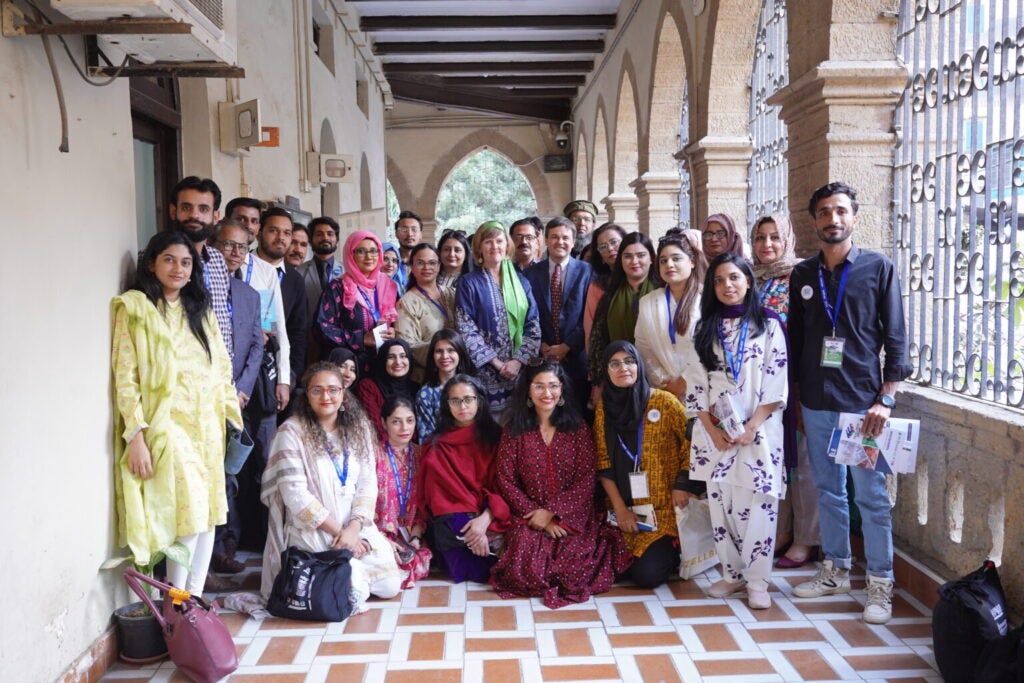
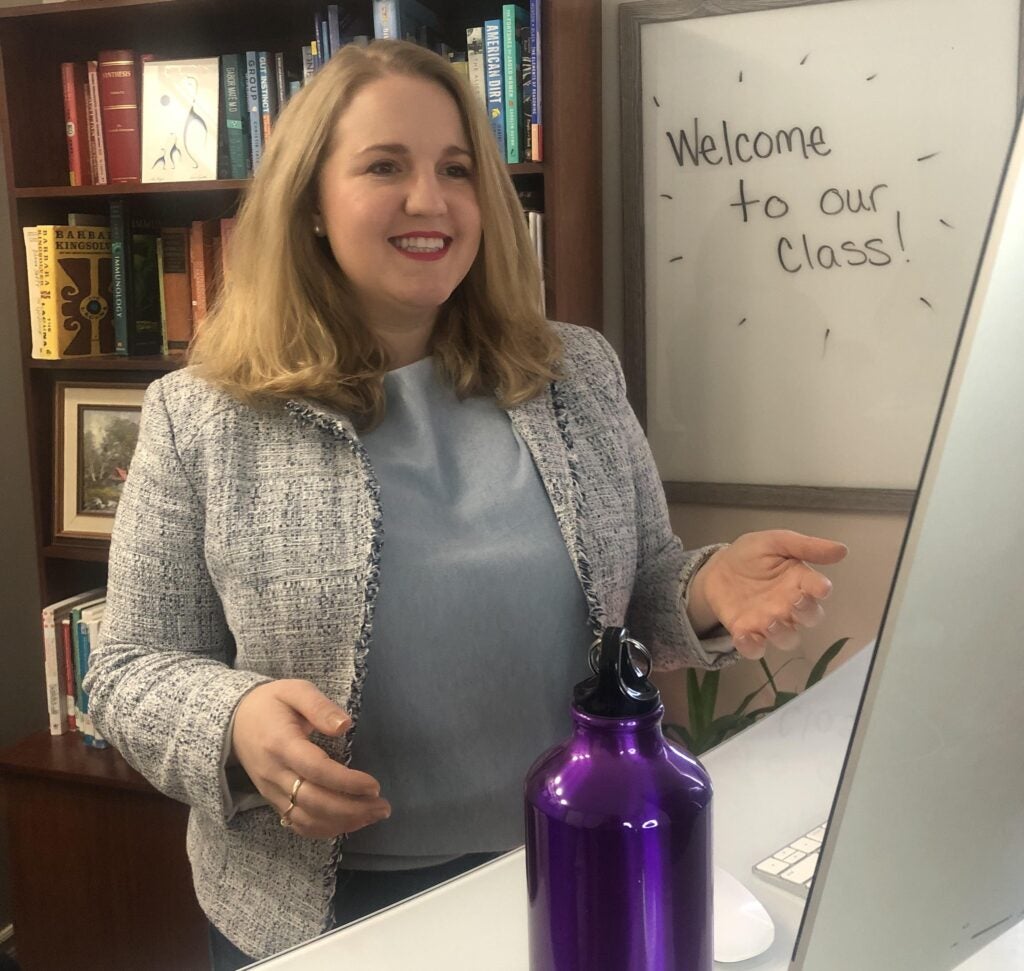
Kelsey Ulrich‑Verslycken (Alaska) – Kelsey Ulrich‑Verslycken, a Virtual English Language Educator from Anchorage and a graduate of the University of Alaska Anchorage, has built a global career specializing in English for Specific Purposes, teacher education, and applied linguistics. Since beginning her teaching journey in South Korea in 2013, she has taught learners across ages and sectors, developed university courses, collaborated on textbooks, and presented at international conferences. As a Virtual English Language Educator, she partnered with institutions in Russia, Egypt, and Iraq to design and deliver ESP courses in computer science, IT engineering, and finance, tailoring instruction through needs‑based curriculum design, authentic materials, and task‑based learning. She also led teacher‑training initiatives on AI and educational technology, expanding digital‑instruction capacity across regions. Her work earned her the U.S. Department of State Virtual Educator Impact Award (2025) for advancing U.S. educational diplomacy through meaningful, culturally grounded exchange.
California Alumni
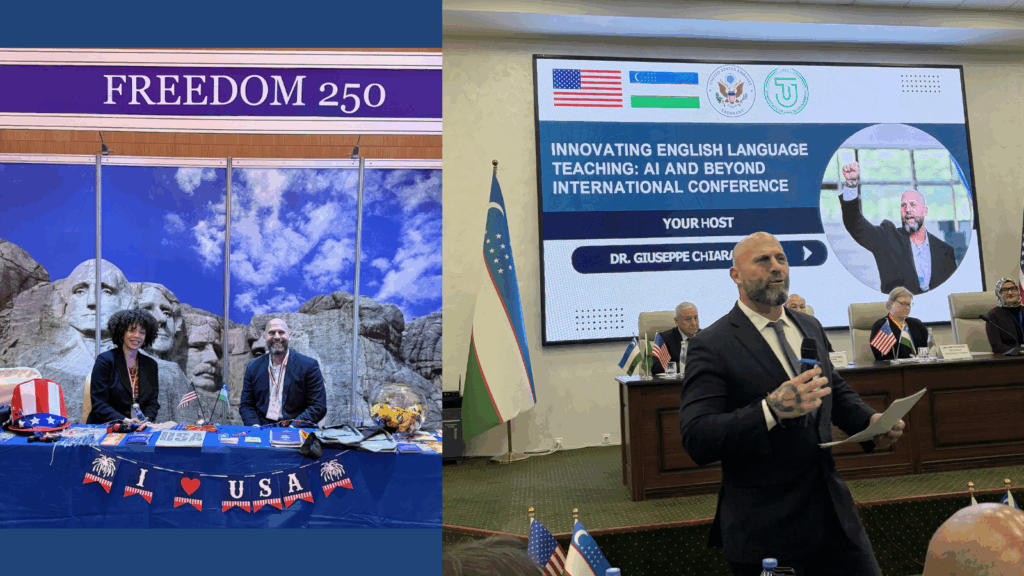
Giuseppe Chiaramonte (California) – Dr. Giuseppe Chiaramonte, an educator, trainer, and former law‑enforcement officer from California, is serving as an English Language Fellow at Uzbekistan State World Languages University (2024–2026). With teaching and training experience across Thailand, Karakalpakstan, Uzbekistan, Kazakhstan, Tajikistan, Kyrgyzstan, and Vietnam, he has delivered workshops for educators worldwide, specializing in student‑centered teaching, assessment, educational leadership, and AI integration. His background includes roles as an ESL lecturer at MiraCosta, Southwestern, and Palomar Colleges; a high‑school English/ELD teacher; a small‑business owner; a professional baseball player with the San Francisco Giants; and an 11‑year police officer and sheriff’s deputy in California. In Uzbekistan, he supports national education reforms by modeling collaborative classroom practices and strengthening English‑language capacity among future teachers and leaders. His keynote on organizational resilience at the Tashkent Law Enforcement Academy—delivered to officials from more than 20 countries—bridged his policing and education expertise and deepened U.S.–Uzbekistan engagement on rule of law and professional development.

Stephen Lind (California) – Stephen Lind, an English Language Specialist from Los Angeles, is the Academic Director of the MBA.PM program and an Associate Professor of Clinical Business Communication at USC’s Marshall School of Business, where he teaches strategic messaging, technology in communication, and consulting. An award‑winning educator and founder of BizComm Ally, he advises companies and startups on communication strategy, presentation design, and leadership messaging. As an English Language Specialist, Lind led a 2024 project in India supporting the Academy for Women Entrepreneurs, delivering intensive virtual training on business English, pitching, negotiation, and personal branding for emerging women entrepreneurs in Hyderabad and Visakhapatnam, along with a Training‑of‑Trainers program for entrepreneurship institutes. In 2025–2026, he partnered with the Iraqi Federation of Chambers of Commerce to strengthen trade‑related English skills for business leaders across Iraq, designing needs‑based instruction focused on commercial agreements, international negotiation, and cross‑border communication.
Kelly Metz‑Matthews (California) – Dr. Kelly Metz‑Matthews is ESL Faculty and Assistant Program Chair at the San Diego College of Continuing Education, where she leads language instruction for adult multilingual learners across two of the college’s campuses. An erstwhile Stanford University EPIC Community College Faculty Fellow and an active contributor to state, national, and international TESOL communities, she focuses on responsible, human‑centered writing pedagogies and clear, practical communication skills. As an English Language Specialist, Kelly has designed and delivered projects in Pakistan, Indonesia, Russia, and Chile, offering keynote talks, teacher‑training workshops, and ESP curriculum development for fields such as cybersecurity, mining, and early English education. Her recent Specialist work includes promoting AI literacy and human‑centered AI strategies for writing centers, advancing a reflective assessment approach first piloted during her English Language Fellow project in Russia, and supporting Indonesia’s nationwide shift toward earlier English instruction through high‑impact workshops and a national plenary on translanguaging and home‑language–affirming practices. In Chile, she is developing ESP curricula for Access programs that strengthen local workforce preparation and deepen U.S.–Chile educational collaboration. A leader in CATESOL and an NCTE/CEL Emerging Leader Fellow, Kelly has recently published in journals including CATESOL Journal, Korea TESOL Journal, COABE Journal, and JESPAR, reflecting her commitment to community college teaching and meaningful, learner‑centered communication.
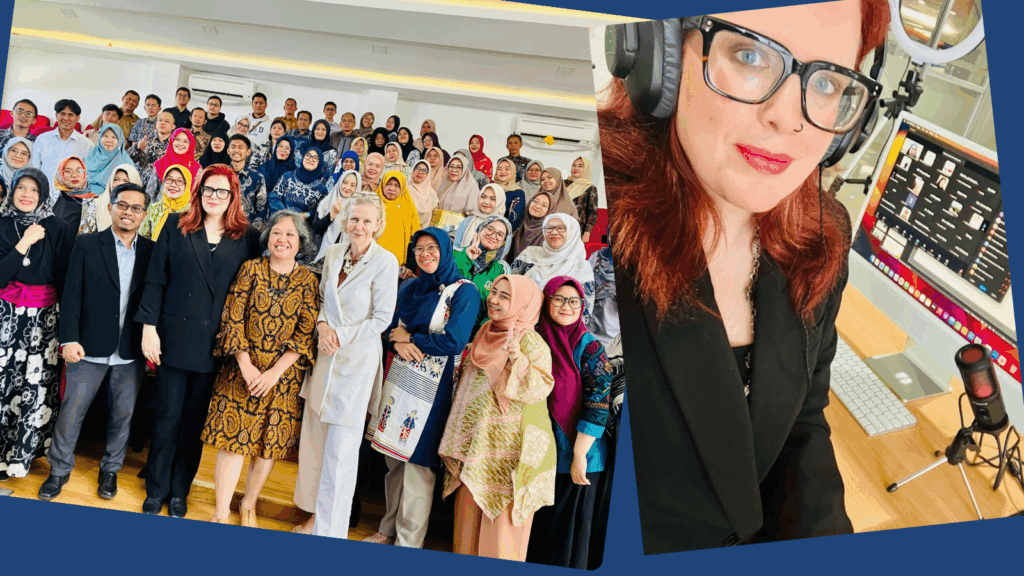
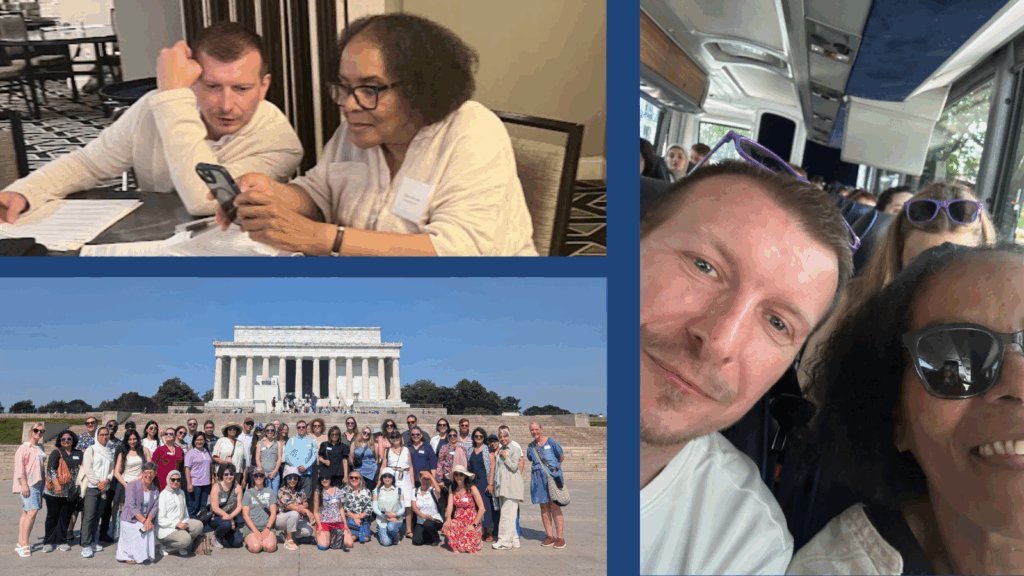
Alene Deyein (California) – A California‑based educator with more than 25 years of experience across K–12, special education, and adult ESL, Virtual English Language Educator Alene Deyein taught American English to members of Slovakia’s Ground Forces, Air Force, and elite 5th Special Operations Regiment, supporting U.S. Embassy efforts to strengthen NATO cooperation and regional security. She led four CEFR‑leveled classes focused on grammar, idioms, speaking, writing, and professional communication, guiding learners through final projects such as reflective essays, résumé and cover‑letter development, and mock interviews that helped students articulate future goals and practice real‑world English skills. Because many soldiers were meeting one another for the first time, Alene intentionally emphasized community‑building, creating a supportive environment where participants could connect, collaborate, and learn from one another across units and ranks. Her instruction highlighted clarity, critical thinking, and practical application—skills essential for operatives working with international partners. In summer 2025, Alene was selected for the Virtual Educator Impact Exchange, where she met her Slovak counterpart in person in Washington, DC after months of virtual collaboration, underscoring the lasting professional relationships that emerge from technology‑enabled teaching.
Washington Alumni
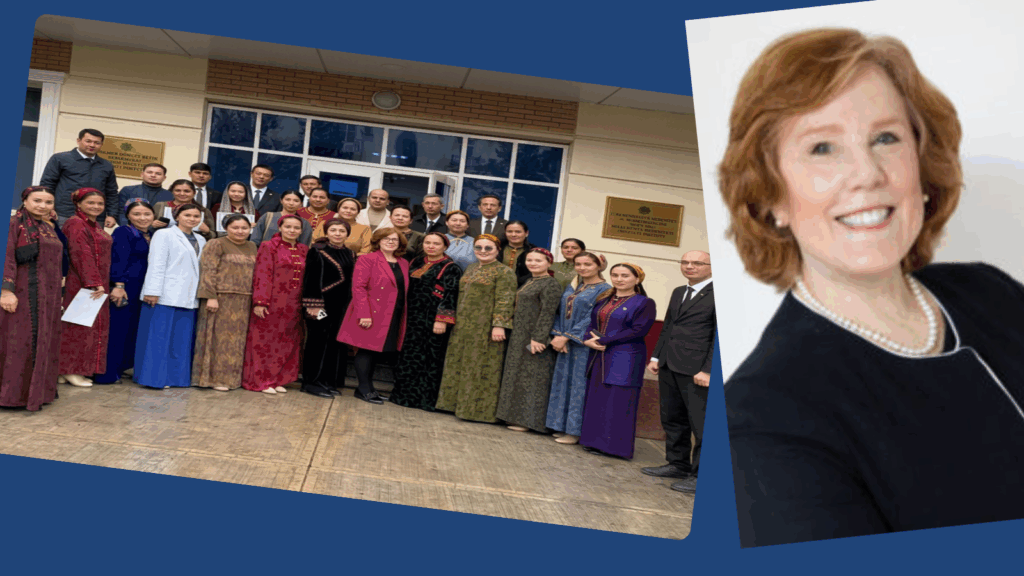
Sandra Janusch (Washington) – Based in Seattle and recently retired as Associate Vice Provost of International & Academic Programs at the University of Washington Continuum College, English Language Specialist Sandra Janusch brings more than three decades of international education experience to her work strengthening teacher‑training systems worldwide. In Turkmenistan, she partnered with the Ministry of Education and the National Institute of Education to build national teacher‑trainer capacity, leading interactive workshops on designing engaging professional development, crafting clear learning objectives, and using active learning to support teachers across grades 1–12. Her work expanded access to high‑quality, U.S.-aligned instructional practices and fostered professional networks that will continue to grow beyond the project. In Mexico, she delivered a plenary on Education 4.0 and workshops on assessment design and curriculum development for the International Language Congress, one of the country’s largest academic gatherings. Across her Specialist assignments, Sandra has advanced American educational leadership abroad and demonstrated a long‑standing commitment to innovation, collaboration, and global teacher development.
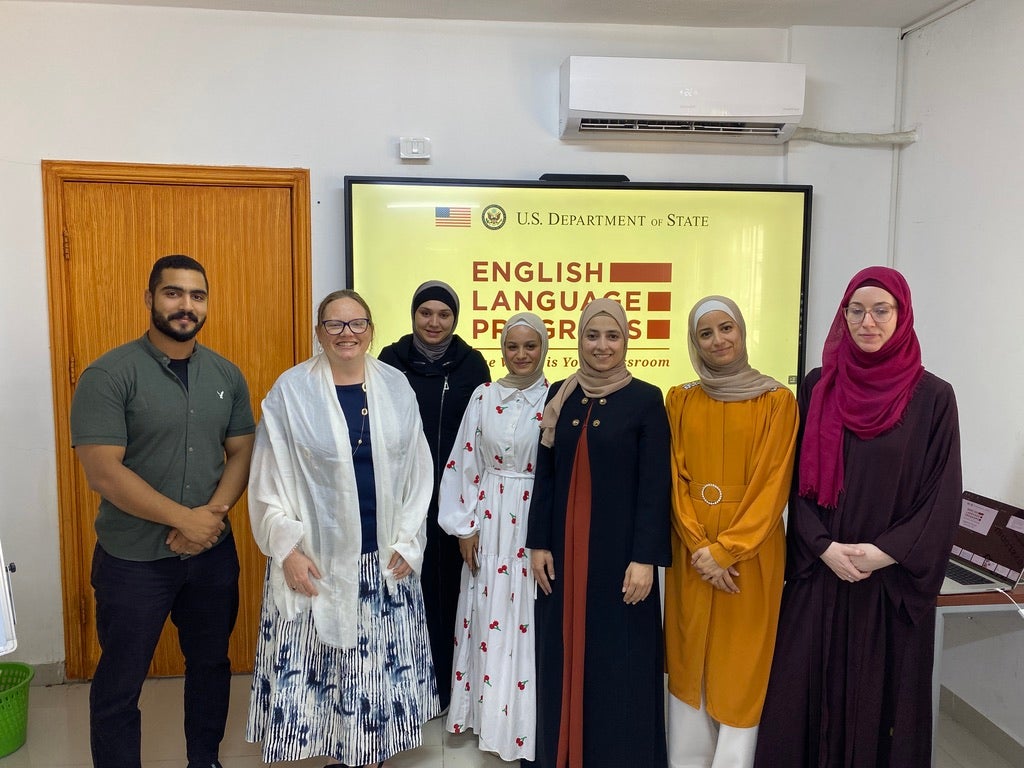
Jennifer Green (Washington) – Washington‑based educator Jennifer Green has spent more than 30 years advancing multilingual education in the United States and abroad as an English teacher, Fulbright Scholar, teacher educator, and full professor directing the Multilingual Education Program at Western Washington University. With teaching experience in Japan, Ukraine, and the West Bank/Jordan region, she has become a leading voice in preparing K–12 teachers to support multilingual learners through practical, student‑centered instruction. As an English Language Specialist in Jordan, Jennifer designed the Journey through Jordan: English for Tourism curriculum series and led nationwide teacher trainings to help educators deliver career‑focused English instruction aligned with the country’s growing tourism and service sectors. Her work—developed in close collaboration with Jordanian educators, Access providers, and university partners—supports economic opportunity for young adults while strengthening U.S.–Jordan educational cooperation.
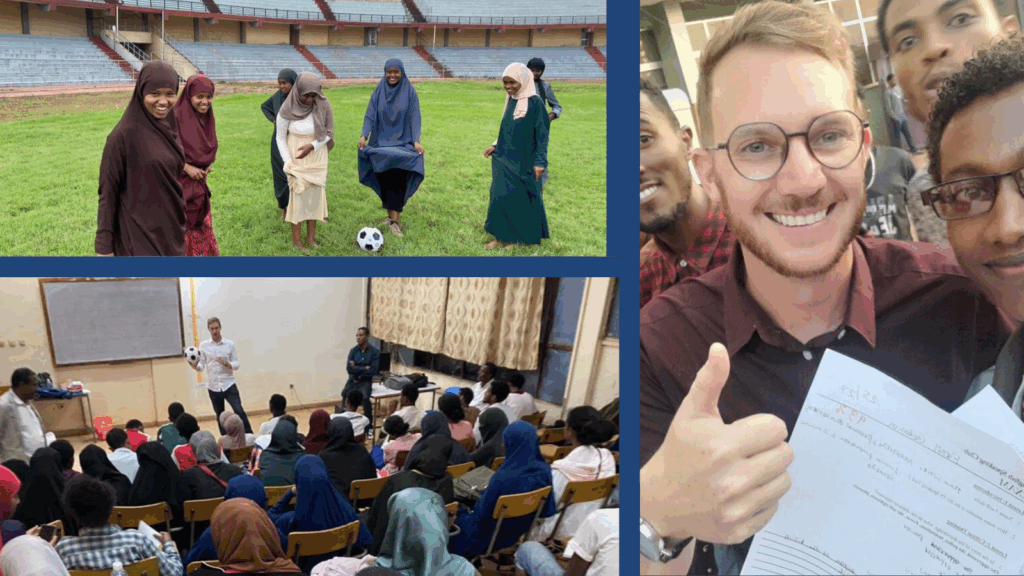
Cody Gleason (Washington) – Originally from Washington State and now a department lead at an international school in Chiang Mai, Thailand, English Language Fellow Cody Gleason has built a career that blends language education, communication skills, and community‑centered outreach. As a Fellow in Ethiopia, he strengthened English education initiatives at universities, American Corners, and community programs nationwide—training more than 100 university instructors in communicative, content‑based, and CLIL‑aligned teaching methods; leading workshops on academic writing, assessment, and technology use in low‑resource classrooms; and mentoring teachers through professional learning communities designed to expand collaboration and resource‑sharing. Cody also launched and facilitated English speaking clubs that helped students build leadership, soft skills, and career readiness, while preparing volunteer student leaders to sustain the clubs long‑term. His work supported Ethiopia’s goals to improve learning outcomes, expand workforce skills, and strengthen institutions by fostering communication, confidence, and cross‑cultural understanding among emerging professionals. Across his assignments, Cody has demonstrated how American English teaching expertise can support institutional capacity, empower young leaders, and deepen educational partnerships that advance shared U.S.–Ethiopia priorities.