
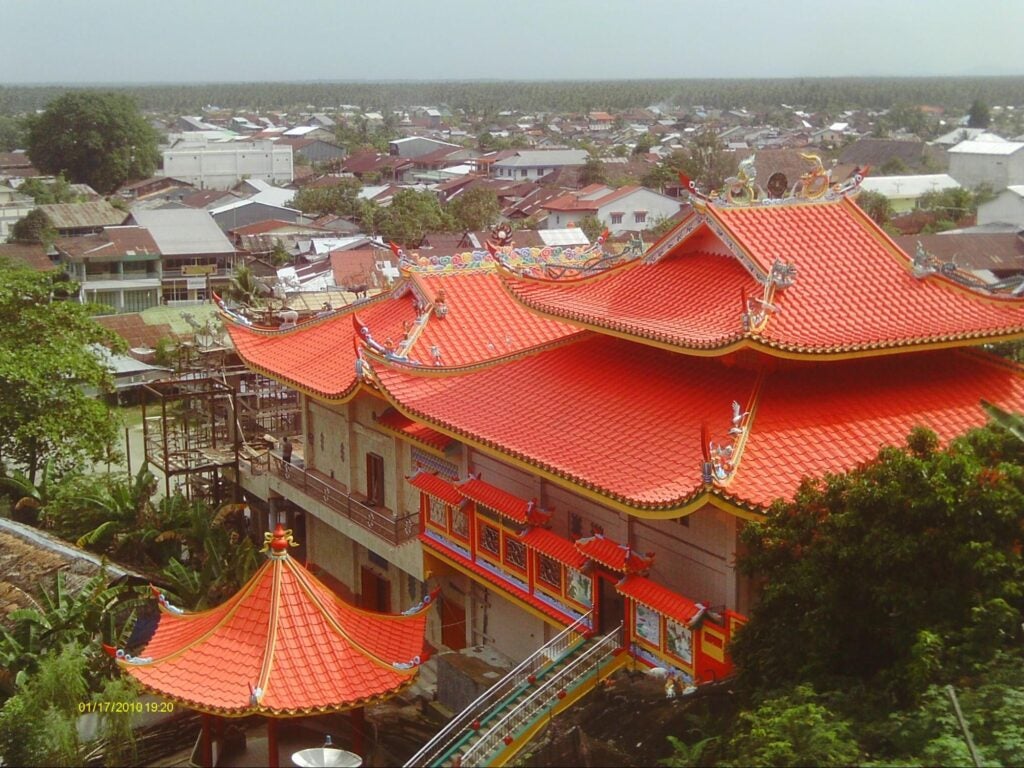
THE LEGEND OF KALIMANTAN BARAT
“There is a local legend in West Borneo that any visitor who drinks even one drop of water from the Kapuas River can never leave Pontianak for the last time,” shares English Language Fellow alumnus Cary Chappell.
Chappell, who was a Fellow at Tanjungpura University (UNTAN) in Pontianak, Indonesia from 2010 to 2011, has returned to his host institution almost every year following his fellowship.
“I must have gotten a dose of Kapuas River water somewhere; I am not sure there’s any other explanation for it,” Chappell explains. “In Bahasa, I say, Aku cinta KalBar, dan selalu kembali.” (I love West Kalimantan, and always come back.)
SIPPING WATER FROM THE KAPUAS RIVER: PROJECT DUTIES, CULTURAL EXCHANGE, AND LASTING FRIENDSHIPS
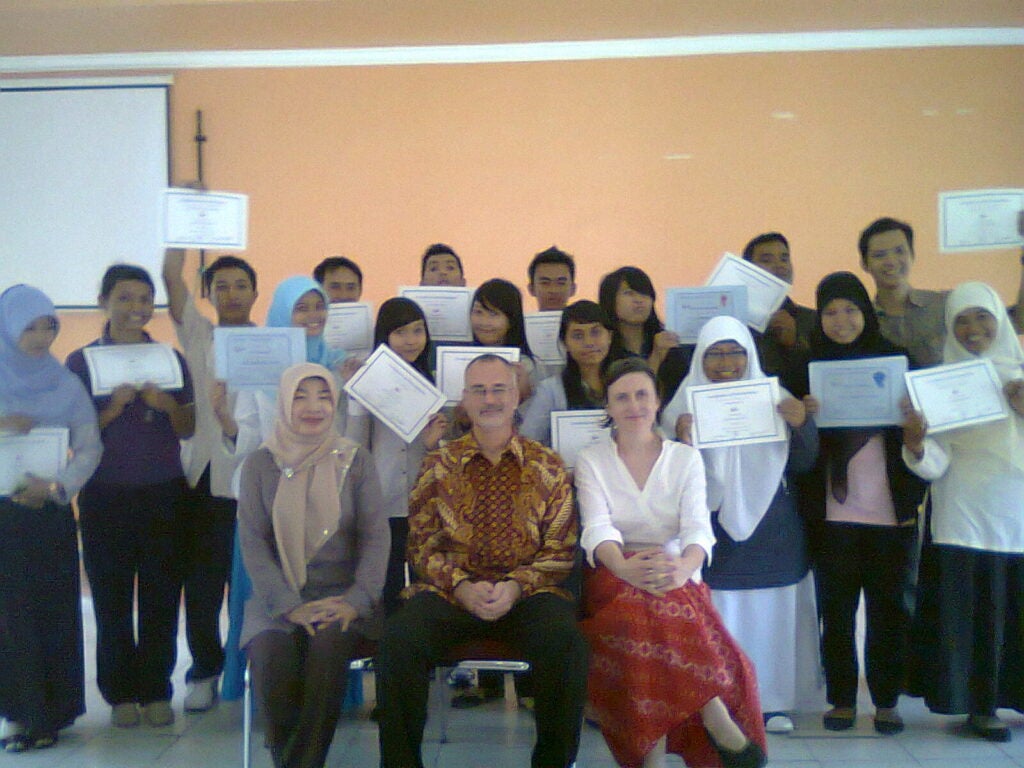
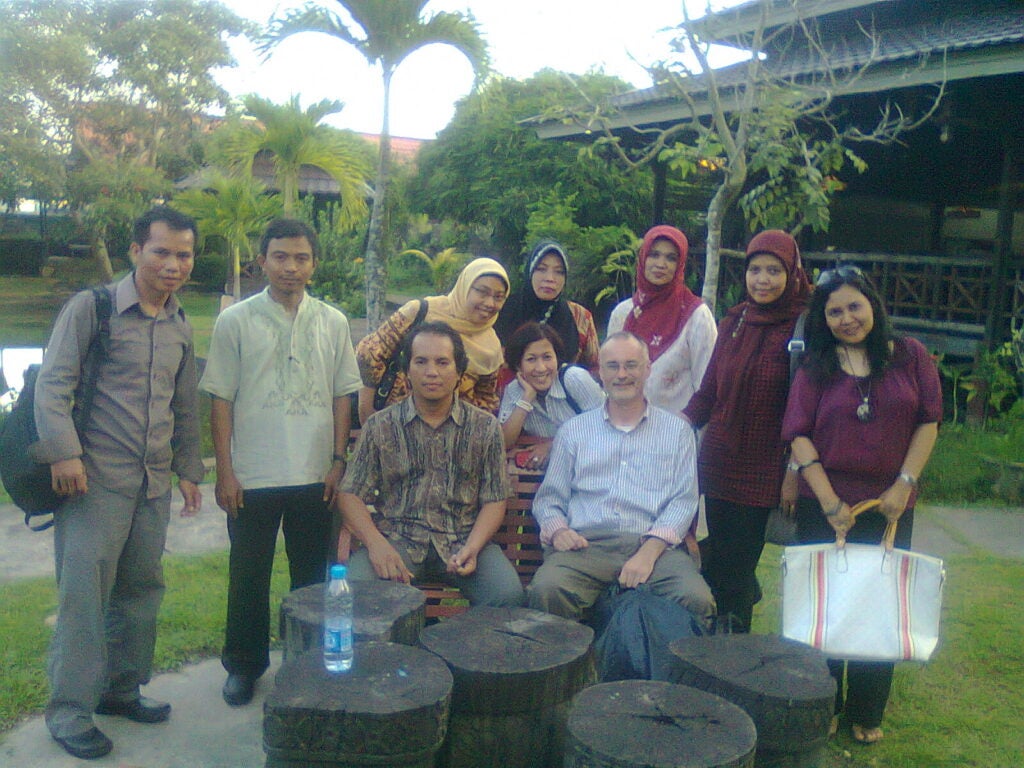
Chappell with students (left) and faculty (right) at Tanjungpura University
During his ten-month fellowship, Chappell taught speaking, cross-cultural understanding, and phonology at Tanjungpura University (UNTAN) in West Kalimantan. He served as an assistant to a group of professors and was tasked with helping their students practice speaking American English more authentically. Chappell also tutored, held weekly conversation classes for faculty, and started a “Thursday Night English” club at his nearby home.
Not only did Chappell balance a variety of project duties, he also balanced teaching two sections of the same course that met at the exact same time in the evenings. Chappell remembers running back and forth in the dark from one classroom to the other to check on students’ progress. “I called this ‘cloned instruction,’” Chappell says.
Chappell recalls being visited by another English Language Fellow in the region who came to observe his teaching. Several people told the visiting Fellow, “You know, he’s just like us.” Chappell reflects, “I think we develop expectations based on the modal personality profiles we construct for other cultural groups in our own minds. The expectation that a Western ‘expert’ would be assertive and say, ‘This is how the job should be done,’ exuding complete confidence at all times—that’s never really been who I am.”
It was this “just like us” personality that allowed Chappell to build lasting friendships and easily immerse himself in cultural exchange in Indonesia. Reflecting on his fellowship experience 14 years later, a few core memories come to mind:
- Meeting Herry, an English teacher from Cary’s neighborhood in Pontianak who stopped to give him an ojek (a motorcycle taxi) ride in the pouring rain and became his best friend. Herry was a member of the Tionghoa ethnic Chinese community, and within a week, Cary had visited both Herry’s home and the village of Kumpai, where his Buddhist youth group taught weekly classes for teens.
- Riding overnight through a Borneo rain forest on the back of a motorbike that his student drove. His students’ parents had invited Cary to their home village for the weekend.
- Going on a Christmas trip with another Fellow to the village of Pemangkat, where Cary’s friend lived, and where the three celebrated the holiday with the rest of the village by singing karaoke at the community center on Christmas Eve.
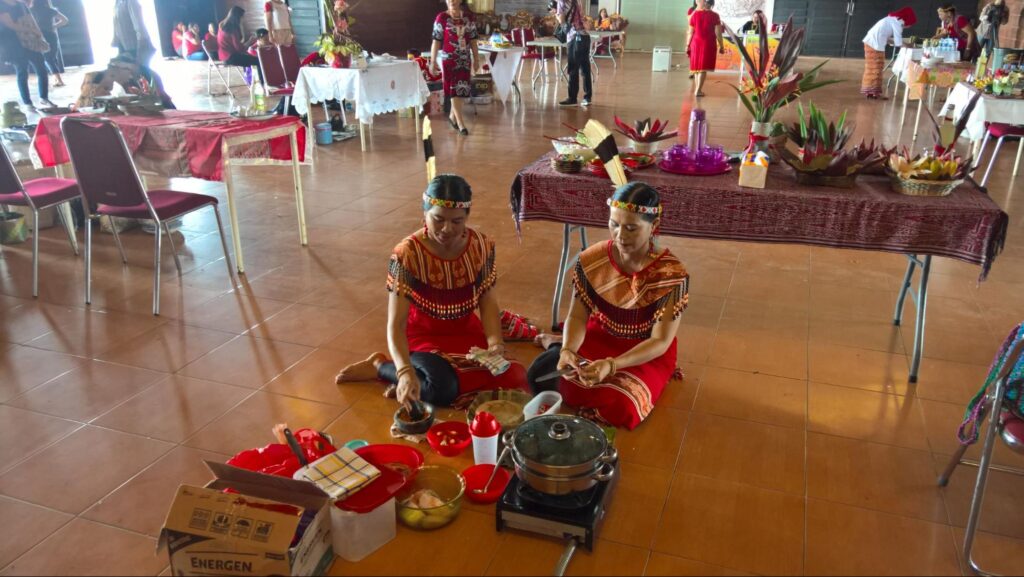
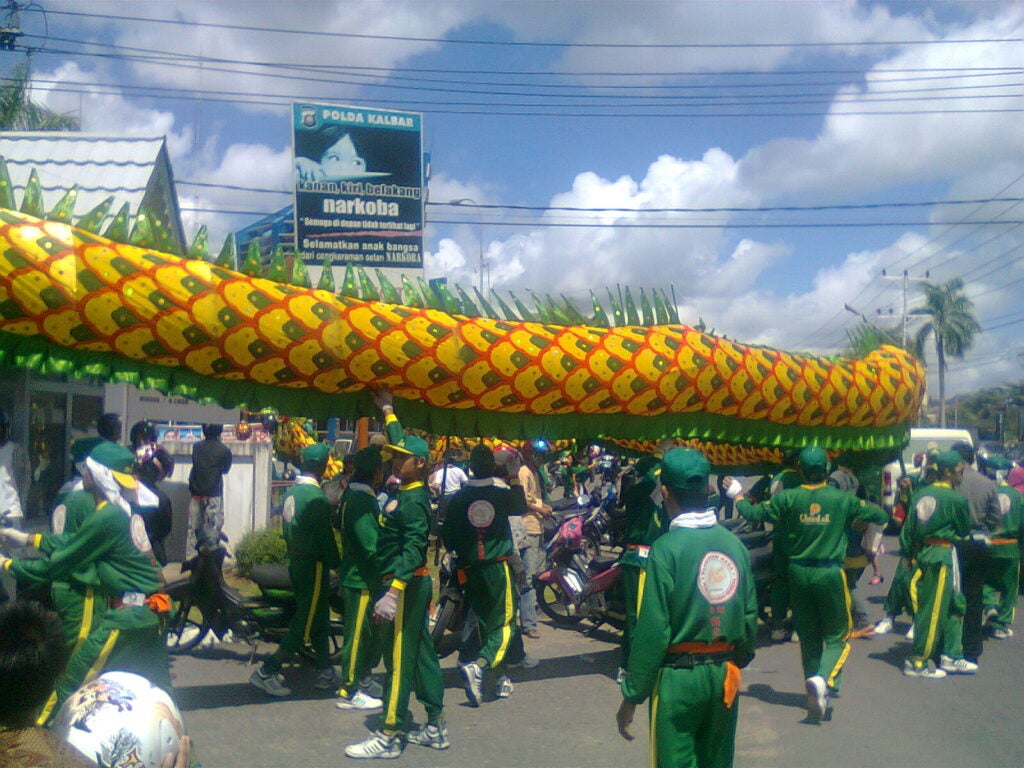
Chappell experienced local festivals and rich cultural traditions during his fellowship in Indonesia (Left: Dayak festival, Right: Imlek dragon dance)
A FELLOWSHIP THAT JUMP-STARTED A CAREER
Once he returned to the United States, Chappell pursued a university-based intensive English program (IEP) teaching career. He credits his fellowship experience for opening the door to that career. “I would never have been able to transition into university-based intensive English program (IEP) work without having participated in the Fellow program,” Chappell says. “I think it would be fair to say that the English Language Fellow program ‘jump-started’ my career in a way that nothing else could have.”
Chappell first taught at the University of Alabama’s intensive English program for international students, and in 2012, he stepped into the role of instructor at the English Language Program (ELP) at Kansas State University. Chappell quickly realized that K-State and his former host institute UNTAN shared common interests, and he recognized the potential for collaboration and exchange.
“I realized that most of what Kansas State University does as a land-rant institution is also happening at UNTAN, through both teaching and research,” Chappell remarks. (Land-grant universities were established in the U.S. in 1862 and play an important role in major research advancement related to agriculture.) Motivated by a desire to give back to Pontianak, Indonesia—the city that had become his second home—Chappell began to envision a long-term goal. He committed himself to advancing academic exchange by “promoting West Borneo at K-State as a destination for academic exchange and field research,” particularly in the fields of anthropology, TEFL, and environmental studies.
FACILITATING COLLABORATION BETWEEN K-STATE and UNTAN
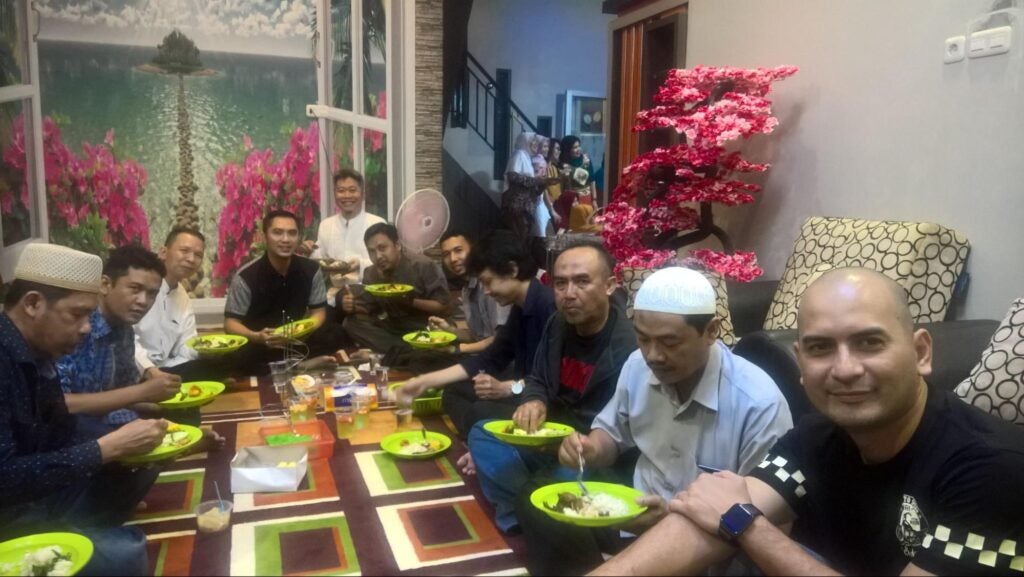
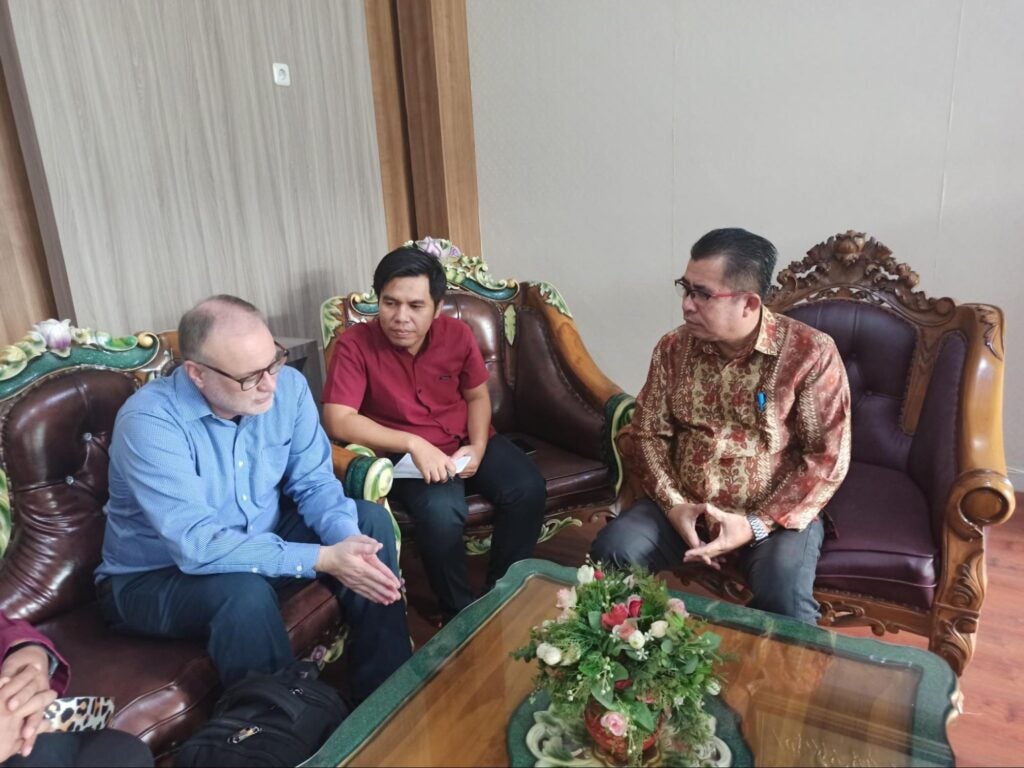
Chappell reunites with colleagues at Tanjungpura University (UNTAN) in Pontianak, Indonesia
With the adage that “you can do almost anything – as soon as you know what it is!” guiding him, Chappell brought his two worlds of Pontianak, Indonesia and Manhattan, Kansas together. At Kansas State University, he has successfully promoted the academic exchange in a variety of ways over the years. Some examples include:
- In March 2019, a group of 34 senior lecturers and administrators from UNTAN came to the K-State campus for a four-week institute on professional writing and publication. “During their time here, we made sure to introduce them to counterparts in their respective fields of study and spent a lot of time on relationship building,” Chappell says. “Many of these researchers have kept in touch with one another and are now part of one another’s professional networking spheres.”
- In 2023-2024, he hosted a friend and colleague from Indonesia for a five-month postdoctoral program at K-State that enhanced his colleague’s research collaboration opportunities in science education. Several of the deans and administrators at UNTAN were also able to visit K-State’s campus, funded by the International Visitor Leadership Program (IVLP).
- Chappell has also facilitated international collaboration between colleagues in other departments with their counterparts at UNTAN. For the past nine semesters, business school professors at both universities have connected their business ethics students through the project-based learning Cross-Cultural International Program (CCIP) to complete joint semester projects. One K-State student who visited UNTAN said the experience, “reshaped my perspective on culture, communication, and global business.”
- Furthermore, Chappell has returned to his second home of Pontianak and the UNTAN campus almost every year post-fellowship. With each visit, he reconnects with old friends and colleagues and works towards cultivating academic, professional, and cultural exchange opportunities with K-State. Some of his return visits have also included facilitating programming at the American Corner located on the UNTAN campus.
NOTHING WORTHWHILE HAPPENS OVERNIGHT: INSIGHTS FROM A GOAL IN PROGRESS
Has his lifetime goal of advancing academic exchange between Tanjungpura University and Kansas State University been achieved? “I think it requires more professor-to-professor contact than we have managed, but I still have hope,” says Chappell. He stays “motivated by the knowledge that these contacts can take years to come to fruition; nothing worthwhile happens overnight.”
For other colleagues or those in leadership positions at universities working to establish international academic exchanges, Chappell offers this insight: “International educators need to develop our ‘long-game’ skills.” He notes that in Indonesia’s ‘indirect society,’ “relationships and experiences have to be built over time.” He also emphasizes that even though they can require long-game skills to establish, intercultural exchanges which foster collaboration and reduce conflict in our world are vital.
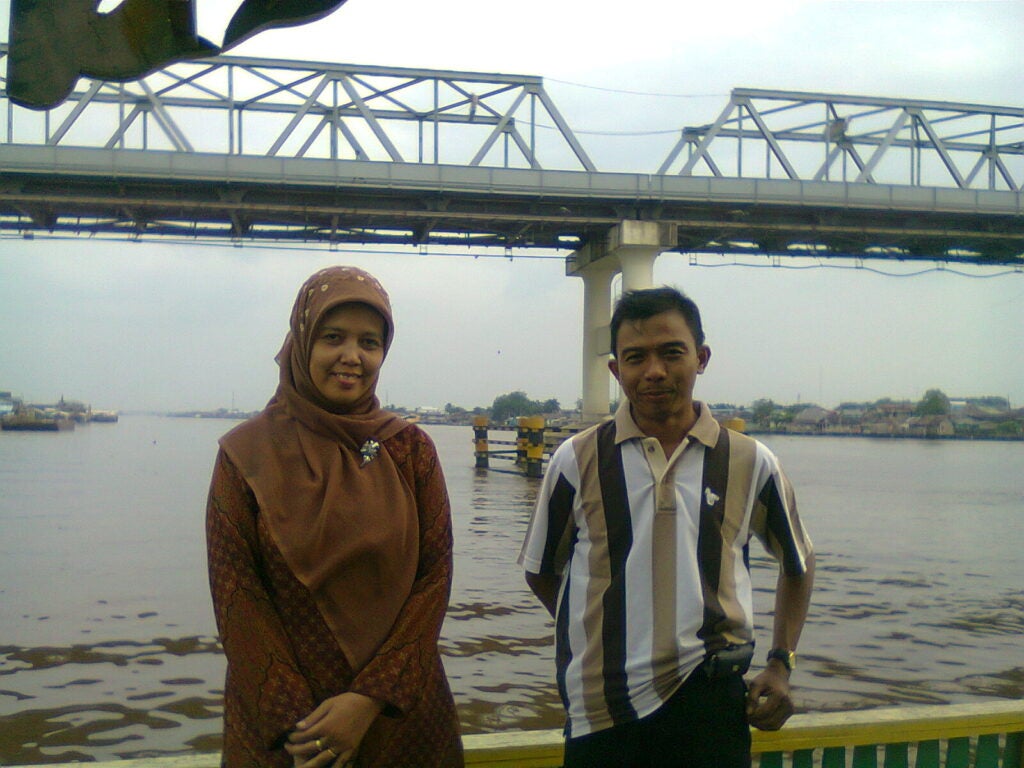
Whether he sipped the water from the Kapuas River or not, Chappell’s experience as an English Language Fellow in Pontianak, Indonesia combined with his passion for academic and cultural exchange between K-State and UNTAN has benefited many others, and will continue to do so for years to come.
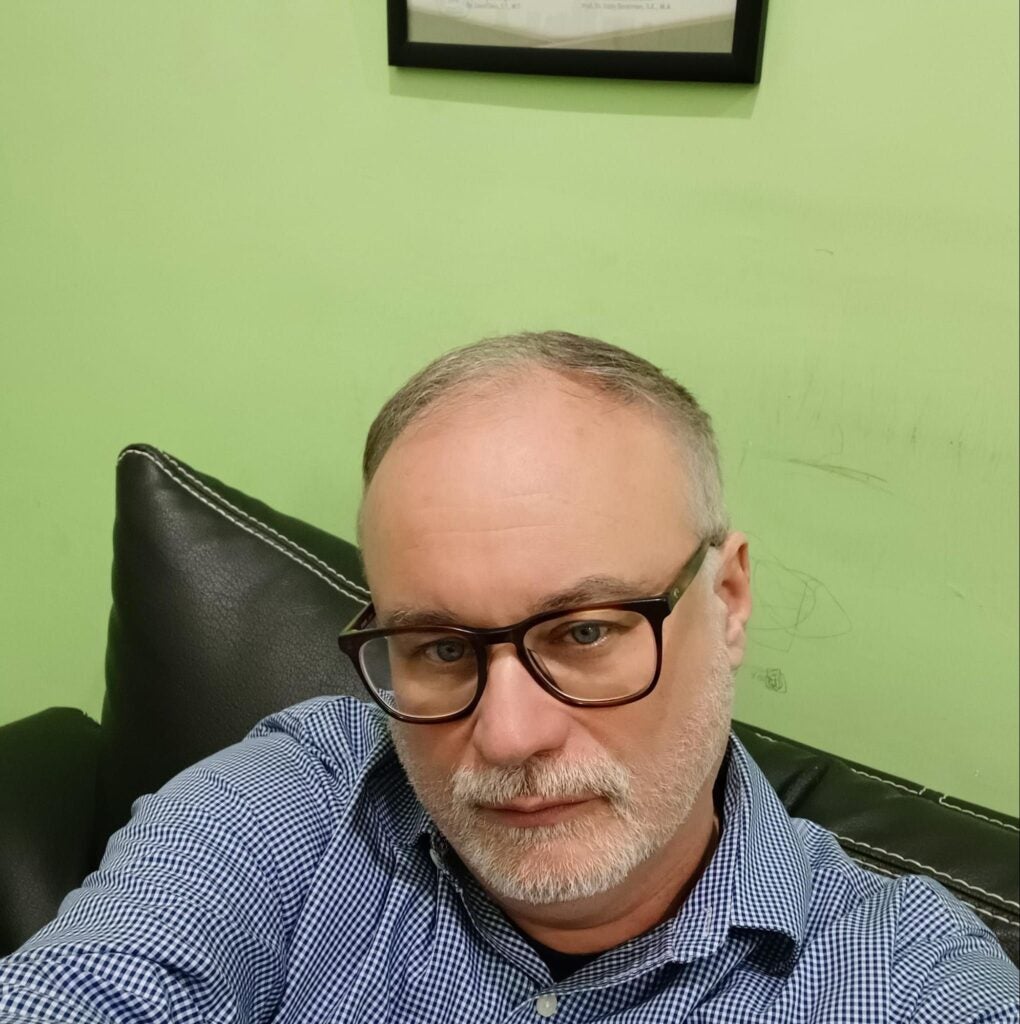
Cary Chappell, an Alabama native, began his career as an ESL educator while serving as an outreach worker for the public library system in Tuscaloosa, and a teacher of adult ESL for Shelton State Community College.
During the 2010-2011 academic year, he served as an English Language Fellow with the U.S. Department of State’s Regional English Language Office (RELO) in Jakarta, assigned to the University of Tanjungpura’s teacher training faculty in Pontianak, Indonesia. Afterward, he taught at the University of Alabama’s intensive English program for international students, later joining the English Language Program at Kansas State in 2012. He will begin a new teaching position with the English Language Institute at Georgia Gwinnett College in Lawrenceville, Georgia in December.